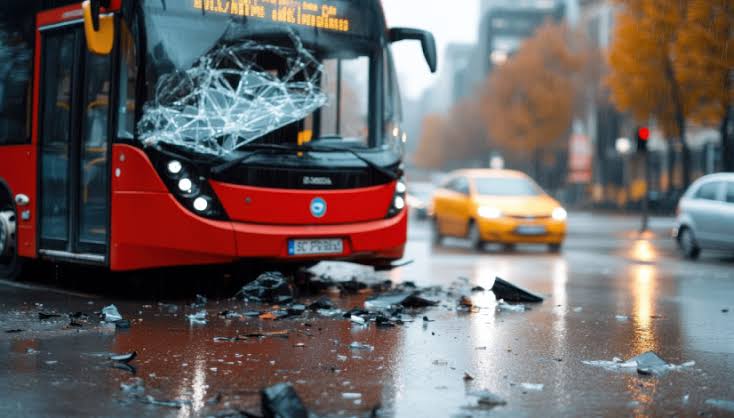
Public transit is the backbone of metropolitan infrastructure across the United States. Every day, millions of commuters rely on city transit buses, regional coaches, school transportation, and private shuttles to travel safely. Statistically, public transit is one of the safest modes of transportation available. However, when a mass transit vehicle is involved in a collision, the consequences are often catastrophic.
Due to the sheer size and weight of a transit bus—often weighing between 20,000 to 40,000 pounds—the forces involved in a crash easily overwhelm standard passenger vehicles. For victims, navigating the aftermath of a public transit accident introduces complex legal hurdles, multi-party liability, and strict sovereign immunity laws that differ completely from standard two-car accidents.
If you or a loved one has been injured, securing your rights requires a deep understanding of commercial transit regulations and personal injury law. Speaking with an experienced bus accident lawyer or a specialized personal injury attorney is often the single most critical step toward protecting your future.
The Rising Concern of Bus Accidents in the United States
While commercial and municipal buses travel millions of collective miles without incident, severe collisions remain a persistent public safety threat. Data from the Federal Motor Carrier Safety Administration (FMCSA) reveals that thousands of bus crashes occur annually, resulting in significant injuries and fatalities.
The vulnerability is shared among several groups:
-
Bus Passengers: Often riding without seatbelts, passengers can be violently thrown across the interior during an impact.
-
Occupants of Passenger Vehicles: Small sedans and SUVs absorb the brunt of the kinetic energy when struck by an multi-ton bus.
-
Vulnerable Road Users: Pedestrians and bicyclists account for a disproportionate number of severe injuries in urban public transit collisions.
Common Causes of Public Transit and Bus Crashes
Determining the root cause of a collision is vital for building a successful legal claim. Unlike typical car accidents, bus crashes are frequently the result of systemic operational failures or corporate negligence.
1. Driver Fatigue and Distracted Driving
Bus drivers face grueling schedules, extended shifts, and the high-stress environment of navigating congested city streets. Although federal Hours-of-Service (HOS) regulations govern commercial drivers, tight transit schedules often push operators to their physical limits, resulting in delayed reaction times or micro-sleep episodes behind the wheel.
2. Inadequate Driver Training and Vetting
Operating a mass transit vehicle requires specialized skill and a valid Commercial Driver’s License (CDL). When transit agencies or private bus companies shortcut background checks or truncate training programs to address labor shortages, unqualified drivers are placed on public roads.
3. Failure to Maintain Fleet Vehicles
Buses undergo immense wear and tear daily. Mechanical failures involving worn brake systems, tire blowouts, faulty steering mechanisms, and broken suspension components are common catalysts for sudden, catastrophic loss of vehicle control.
4. Third-Party Negligence
In many instances, the bus operator is not at fault. Negligent passenger vehicle drivers who cut off buses, fail to yield, or drive under the influence frequently cause large vehicles to swerve or brake abruptly, leading to severe onboard injuries or multi-vehicle pileups.
Defining Liability: Who is Responsible for a Bus Accident?
Establishing fault in a public transit or commercial bus accident is an intricate process. Because multiple entities oversee the operation, maintenance, and regulation of a single vehicle, liability rarely falls on just one party. A comprehensive investigation by a commercial vehicle accident attorney may reveal that several defendants share financial responsibility:
                       ┌──────────────────────────────┐
                       │  TOTAL COLLISION LIABILITY   │
                       └──────────────┬───────────────┘
                                      │
         ┌────────────────────────────┼────────────────────────────┐
         │                            │                            │
┌────────┴────────┐          ┌────────┴────────┐          ┌────────┴────────┐
│  The Bus Driver │          │ Transit Agency/ │          │   Third-Party   │
│                 │          │ Private Carrier │          │  Manufacturers  │
├─────────────────┤          ├─────────────────┤          ├─────────────────┤
│ • Reckless driving         │ • Poor maintenance       │ • Defective parts │
│ • DUI / Fatigue  │          │ • Negligent hiring │          │ • Brake failure │
│ • Distractions  │          │ • HOS violations   │          │ • Tire blowouts │
└─────────────────┘          └─────────────────┘          └─────────────────┘
-
The Transit Agency or Private Carrier: Under the legal doctrine of respondeat superior, employers are responsible for the actions of their employees while on duty. If an agency knowingly keeps a driver with a record of safety violations on the payroll, they can be sued for negligent retention.
-
The Government or Municipality: If the crash involved a city, county, or state-run public transit authority, the government entity itself becomes the primary target of the injury claim.
-
Third-Party Maintenance Contractors: Many public transit authorities outsource fleet upkeep to private entities. If a contractor fails to properly repair a vehicle’s critical safety systems, they face liability for subsequent mechanical failures.
-
Automotive Manufacturers: If a defective component—such as a flawed air-brake system or a substandard tire—directly caused the collision, a product liability lawsuit can be initiated against the manufacturer.
Critical Hurdles: Public vs. Private Bus Claims
The legal pathway to recovering compensation depends heavily on whether the bus is owned by a private entity or a public government branch.
Private Carrier Claims (Charter and Tour Buses)
If you are injured on a private charter bus, tour bus, or commercial shuttle, the case proceeds similarly to a standard personal injury lawsuit. Private companies are backed by commercial insurance policies that typically carry multi-million dollar liability limits. However, these corporations employ aggressive legal teams and insurance adjusters whose primary objective is to minimize payouts or deny claims entirely.
Public Transit Claims (City Buses and School Buses)
When the vehicle belongs to a municipal authority or public school district, victims must confront the concept of sovereign immunity. Historically, government bodies were protected from being sued by citizens. While modern laws allow victims to pursue compensation under specific tort claims acts, strict and unforgiving procedural rules apply:
The Shortened Statute of Limitations: In a standard motor vehicle accident, victims usually have two to four years to file a lawsuit. When suing a government public transit entity, you must submit a formal administrative notice of claim incredibly fast—often within 60 to 180 days of the crash. Missing this brief window bars you from pursuing compensation forever.
Steps to Take Immediately Following a Bus Crash
The steps you take in the minutes, days, and weeks following an accident will directly impact both your health and the strength of your future legal case.
Understanding Compensation: What Can You Recover?
Bus accident injuries are rarely minor. Victims often endure prolonged hospitalization, extensive surgeries, and months of rehabilitative physical therapy. A successful injury claim seeks to recover compensation across two primary frameworks:
| Economic Damages (Quantifiable) | Non-Economic Damages (Subjective) |
| Medical Expenses: Emergency room bills, future surgeries, prescriptions, and assistive devices. | Pain and Suffering: The physical distress and ongoing agony resulting from your injuries. |
| Lost Wages: Compensation for missed work hours and income directly tied to recovery time. | Emotional Distress: Psychological impacts, including PTSD, anxiety, depression, and insomnia. |
| Diminished Earning Capacity: Long-term financial losses if your injuries prevent you from returning to your career field. | Loss of Enjoyment of Life: The inability to participate in hobbies, sports, or family activities. |
The Value of an Experienced Legal Ally
Mass transit litigation requires specialized resources that general practice law firms do not possess. Commercial transit operators are heavily regulated by both federal agencies and state mandates. Building an airtight case requires deploying accident reconstruction experts, downloading data from the bus’s Event Data Recorder (“black box”), analyzing electronic logging devices, and parsing through internal fleet maintenance history logs.
Most reputable personal injury law firms operate on a contingency fee basis. This arrangement means you owe zero upfront costs and pay nothing out of pocket. Your legal team covers all investigative and filing expenses, and they only collect a fee if they successfully secure a financial settlement or jury verdict in your favor.
The path to recovery after a devastating public transit accident is challenging, but you do not have to walk it alone. Securing top-tier legal advocacy balances the scales against massive transportation networks and guarantees your rights remain protected.