The American supply chain relies heavily on automated logistics, expansive distribution centers, and high-velocity e-commerce fulfillment hubs. Industrial vehicles—most notably forklifts (powered industrial trucks)—along with automated conveyor systems, vertical freight lifts, and robotic order-pickers are the mechanical workhorses of this sector. However, when industrial machinery malfunctions or is operated unsafely, these high-intensity spaces turn into zones of extreme physical hazard.
According to data from the Bureau of Labor Statistics (BLS) and the Occupational Safety and Health Administration (OSHA), the warehousing and storage sector exhibits an injury rate significantly higher than the private industry average. Forklift-related incidents alone account for nearly 25% of all warehouse accidents, leading to thousands of severe injuries and approximately 100 fatalities across the United States every year. For injured logistics personnel and floor workers, a machinery failure often marks the beginning of a complex struggle involving medical rehabilitation, regulatory investigations, and third-party personal injury litigation.
Technical Mechanics of Industrial Equipment Failures
Modern warehouse machinery operates under heavy loads, high cycle counts, and continuous duty cycles. A catastrophic failure in a forklift, automated storage and retrieval system (ASRS), or sorting conveyor usually traces back to specific mechanical, hydraulic, or electrical breakdowns.
Mechanical, Hydraulic, or Electrical Failure
                     │
                     ▼
[ Loss of Mast Control, Braking Power, or System Stability ]
                     │
                     ▼
Uncontrolled Shift of Energy or Multi-Ton Payload
                     │
                     ▼
[ Tip-Over, Crush Event, or Pedestrian Impact ]
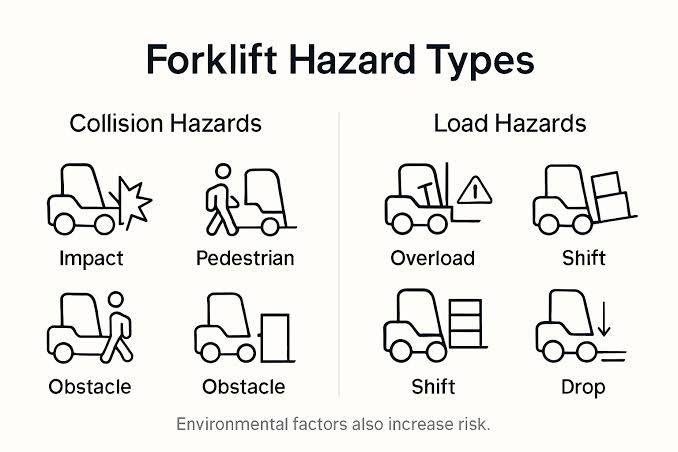
1. Forklift Hydraulic and Mast Failures
A forklift’s lifting mechanism depends completely on high-pressure hydraulic systems. Over time, hydraulic fluid can degrade, internal seals can fail, and flexible high-pressure hoses can develop micro-tears from continuous friction.
-
Fluid Pressure Loss: A sudden drop in hydraulic pressure can cause the multi-ton mast assembly to drop its payload instantly, crushing anyone below or destabilizing the vehicle’s footprint.
-
Mast Mechanical Binding: If the lifting chains or vertical channels are not properly lubricated and aligned, the mast can bind during an elevated lift. When the mechanism snaps loose, the dynamic shift in weight often causes a devastating tip-over.
2. Braking and Steering Component Breakdowns
Heavy industrial trucks carry substantial momentum, especially when loaded to capacity. Warehouse floors are often smooth concrete, which offers less friction than asphalt and can easily become slick from leaked fluids, tire dust, or cleaning residue.
-
Brake Fade and Master Cylinder Leakage: If mechanical brakes or electronic braking resistors fail, an operator cannot stop the vehicle within a safe distance, making collisions with structural columns or pedestrians highly likely.
-
Steering Linkage Failure: Rear-wheel steering setups on forklifts create a tight turning radius but place immense stress on the steering knuckles and tie rods. A mechanical failure here can cause the vehicle to veer uncontrollably into an aisleway.
3. Automated Conveyor and Sorting System Malfunctions
Fixed warehouse machinery, such as multi-tier conveyor systems and sorting lines, relies heavily on electronic interlocks, photo-eye sensors, and mechanical drive chains.
-
Sensor and Emergency Stop (E-Stop) Failures: If a primary sensor fails to detect a jam, the conveyor drive motor will continue to force materials forward, leading to a structural collapse or forcing heavy items off the elevated track.
-
Inadequate Mechanical Guarding: Exposed drive sprockets, pinch points, and rotating shafts can trap an employee’s clothing or limbs, leading to severe crush injuries or traumatic amputations.
High-Risk Zones Within Modern Distribution Centers
While machinery failures can happen anywhere on the floor, certain zones present a much higher concentration of risk due to intersecting traffic and high-volume operations.
The Loading Dock Interface
The loading dock is one of the most active and hazardous areas in any logistics facility, accounting for roughly 25% of all warehouse accidents. Common incidents include:
-
Trailer Creep: The momentum of a forklift repeatedly entering and exiting a semi-trailer can cause the trailer to drift forward from the dock wall. If the dock lock or vehicle restraint system fails to secure the trailer, the forklift can fall directly into the gap.
-
Dock Leveler Failures: Structural welds or hydraulic lift cylinders on heavy steel dock plates can give way under a loaded truck, dropping the forklift several feet onto the concrete below.
High-Bay Racking Aisles
Modern logistics facilities maximize vertical space by stacking pallets up to 40 feet high. This vertical setup requires precision from both the operator and the reach truck’s mechanical sensors.
-
Aisleway Collisions: If a narrow-aisle reach truck suffers a steering lock or control valve malfunction, it can strike the upright supports of a racking system. A single bent racking support can trigger a progressive collapse, bringing down thousands of pounds of inventory in a domino effect.
Catastrophic Injuries from Heavy Machinery Accidents
Because warehouse machinery involves immense weight, high-pressure systems, and heavy moving parts, the physical trauma from an accident is routinely severe.
-
Crush Injuries and Compartment Syndrome: Getting pinned between a moving forklift and a fixed structural wall can crush muscle tissue and cut off blood flow, often leading to permanent nerve damage or amputation.
-
Severe Traumatic Brain Injuries (TBIs): Falling pallets, dropped loads, or getting thrown from an overturning forklift can cause severe head trauma, even if the worker is wearing a hard hat.
-
Spinal Trauma and Permanent Paralysis: Falling from an elevated platform or being struck by heavy falling inventory can fracture vertebrae, risking permanent paraplegia or quadriplegia.
-
High-Pressure Injection Injuries: A pinhole leak in a hydraulic line can release fluid at pressures exceeding 3,000 PSI. If this fluid penetrates a worker’s skin, it can quickly cause severe internal chemical burns and widespread tissue death.
Regulatory Compliance and OSHA Standards
OSHA maintains strict, legally binding regulations to govern the use and maintenance of powered industrial trucks and warehouse machinery. When a severe accident occurs, federal investigators focus heavily on whether these mandates were followed.
1. Powered Industrial Trucks Standard (29 CFR 1910.178)
This standard explicitly dictates that any forklift found to be unsafe, unmaintained, or displaying structural defects must be immediately removed from service until it is repaired by an authorized technician. It also mandates:
-
Comprehensive pre-shift visual and mechanical inspections by the operator.
-
Formal certification and triennial evaluation of all equipment operators.
-
Explicit enforcement of safe operating speeds, load limitations, and proper lane management.
2. Lockout/Tagout Standards (29 CFR 1910.147)
When sorting conveyors, automated picking units, or hydraulic dock systems require maintenance or jam clearing, facilities must follow strict Lockout/Tagout (LOTO) procedures. This process requires completely cutting and physically locking out all electrical, kinetic, and hydraulic energy sources before any worker steps into the machine’s line of fire. Bypassing LOTO to keep production moving is one of the most frequently cited willful violations on jobsites.
Legal Strategies and Liability Frameworks
Securing full financial recovery after a warehouse machinery disaster requires looking closely at the multi-layered operations common on modern jobsites.
Workers’ Compensation Claims vs. Third-Party Liability
For an injured warehouse employee, workers’ compensation insurance provides immediate coverage for medical treatments and a portion of lost income, regardless of who was at fault for the accident. However, workers’ compensation limits recovery by excluding non-economic damages, such as physical pain and suffering, emotional trauma, or loss of quality of life.
To recover full financial damages, a specialized personal injury attorney will look for third-party liability. If an outside entity’s negligence or a defective product caused the machinery malfunction, the injured worker can file a personal injury lawsuit separate from their workers’ compensation claim.
| Compensation Path | Financial Recovery Scope | Burden of Proof Required |
| Workers’ Compensation | Immediate medical bills, partial lost wages, vocational rehabilitation. | No proof of fault required; must only prove the injury occurred during active employment. |
| Third-Party Personal Injury Lawsuit | Full lost wages, loss of future earning capacity, pain and suffering, mental anguish, permanent disability compensation. | Must prove a third party’s negligence or a product defect directly caused the machinery failure. |
Potential Third-Party Defendants in Machinery Accident Cases
A thorough legal investigation reviews the design, maintenance history, and operation of the equipment to identify all liable parties:
-
Equipment Manufacturers (Product Liability): If a forklift tips over due to an inherently unstable design, or if a critical component like a hydraulic valve snaps under normal working conditions, the manufacturer can be held responsible through a product liability lawsuit.
-
Independent Maintenance Contractors: Many logistics operations hire outside vendors to service their fleets and conveyor networks. If a maintenance company fails to flag worn brake pads, ignores a frayed lift chain, or performs an improper repair, they can be held directly liable for a subsequent failure.
-
Staffing Agencies and Subcontractors: Third-party logistics (3PL) operations often use temporary or contract labor. If a separate vendor creates a hazardous layout or provides an uncertified operator who causes a multi-vehicle crash, that third-party entity faces direct legal liability.
Key Action Steps Following a Machinery Malfunction
The choices made immediately following a machinery failure are vital for protecting an injured worker’s health and preserving their legal rights.
1. Seek Immediate Independent Medical Treatment
Even if an on-site manager downplays an injury or recommends a company doctor, go to an emergency trauma center for a comprehensive independent medical evaluation. Internal bleeding, minor concussions, and high-pressure injection injuries may not show clear external symptoms right away but can quickly become life-threatening.
2. Preserve Physical Evidence and the Accident Scene
Logistics centers prioritize keeping floors clear and lanes moving, which means valuable evidence can easily be swept away or repaired. If possible, take detailed photos and videos of the damaged machinery, mechanical leaks, floor markings, and safety hazards. Keep any damaged clothing, safety gear, and boots, as they can hold trace physical evidence.
3. Subpoena Digital Maintenance and Telematics Logs
Most modern forklifts and warehouse fulfillment systems use internal telematics logs that track operational speeds, sudden impacts, braking forces, and safety fault codes. A qualified legal firm can issue immediate spoliation letters and subpoenas to preserve this digital data before it is cleared or overwritten.
4. Consult a Dedicated Workplace Accident Attorney
Avoid giving recorded statements to corporate risk-management teams or insurance adjusters until you have spoken with an experienced personal injury attorney. A specialized legal team will bring in forensic engineers to review OSHA logs, check corporate maintenance files, and ensure that insurance companies do not push you into a lowball settlement.
Conclusion: Driving Accountability in Modern Logistics
The fast expansion of global e-commerce and logistics has placed high demands on both material handling equipment and the personnel who operate it. While these advanced machines keep supply chains running efficiently, they require regular maintenance, proper safety guarding, and strict compliance with federal safety laws. When equipment safety is compromised for speed or profit, workers pay the price. Holding negligent parties legally accountable helps cover the extensive medical and financial needs of injured workers while encouraging safer standards across the entire logistics industry.