The skyline of any major American city—from the sprawling developments of Austin to the high-rise corridors of New York—is shaped by heavy machinery and temporary staging structures. Among these, tower cranes and multi-tier scaffolding systems are essential to modern vertical construction. Yet, they also represent some of the most logistically complex and high-risk elements on a jobsite.
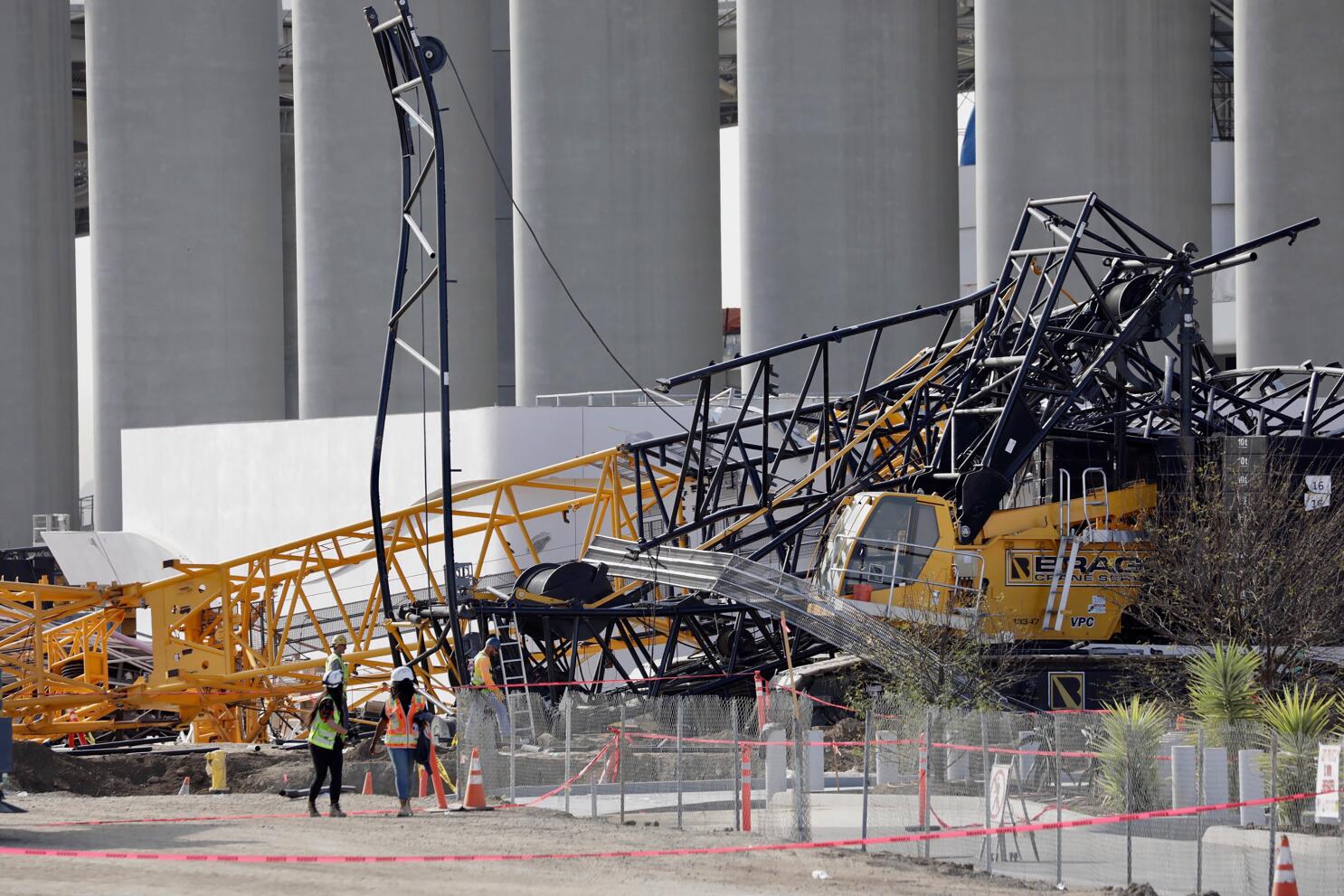
When a crane tips or a scaffolding system buckles, the results are rarely minor. These incidents are high-impact events that cause catastrophic structural damage, severe injuries, and tragic fatalities. For injured construction workers and affected passersby, understanding how these failures occur, who is legally responsible, and how to navigate the complex aftermath is critical to securing accountability and financial recovery.
The Engineering Behind Structural Collapses
Both cranes and scaffolding rely on precise calculations involving physics, metallurgy, and structural engineering. A failure in any single variable—whether a mathematical miscalculation, a metallurgical flaw, or an environmental factor—can compromise the integrity of the entire system.
Structural / Engineering Deviation
       │
       ▼
[ Mechanical Failure, Overload, or Base Instability ]
       │
       ▼
Uncontrolled Shift in Gravity / Catastrophic Stress
       │
       ▼
[ High-Impact Collapse of Crane or Scaffolding ]
1. Tower and Mobile Crane Failure Mechanics
Cranes are massive levers designed to lift immense loads by strictly balancing a counterweight against the payload around a central pivot point. Structural failure typically stems from three specific triggers:
-
Mechanical Overloading: Exceeding the manufacturer’s rated lifting capacity shifts the crane’s center of gravity outside its structural footprint. This induces severe structural bending stresses on the boom or mast, leading to immediate buckling.
-
Improper Outrigger Setup and Ground Failure: Mobile cranes rely heavily on hydraulic outriggers to distribute their massive weight. If these outriggers are placed on unstable soil, uncompacted backfill, or without proper structural rigging mats, the ground beneath can give way. This causes the crane to tip unexpectedly during a lift.
-
Assembly and Dismantling Errors: The most dangerous phases of a tower crane’s lifecycle are its erection, jumping (increasing height), and dismantling. Missing structural pins, under-torqued slewing ring bolts, or uncalibrated limit switches can lead to a progressive collapse before the crane ever lifts a payload.
2. Scaffolding Structural Instability
Scaffolding systems are temporary skeletal frameworks designed to support personnel and building materials. Despite their common appearance on jobsites, they require rigorous engineering control. Major collapses are usually caused by:
-
Deficient Tie-Ins and Bracing: As scaffolding rises vertically, it must be rigidly anchored to the permanent structure at strict intervals to resist wind loads and lateral movement. Omitting cross-bracing or using inadequate wall ties allows the framework to sway, leading to a geometric buckling failure.
-
Mudsill and Base Plate Compromise: The entire weight of a scaffolding matrix rests on its base plates. If these plates are not set on solid mudsills (thick wooden planks used to distribute weight) and are instead placed directly on soft earth, uneven asphalt, or loose sidewalk grading, the legs will sink unevenly. This tilts the structure and overloads adjacent legs.
-
Component Overloading and Substandard Materials: Mixing components from different manufacturers, utilizing corroded or bent framing tubes, or stacking heavy masonry materials on a platform exceeding its working load limit can trigger a localized failure that quickly zips through the entire structure.
Severe Injuries Sustained in Site Collapses
Because crane and scaffolding failures involve massive weights dropping from significant heights, the physical trauma inflicted on victims is extraordinarily severe.
-
Traumatic Brain Injuries (TBIs): Falling objects, dropped loads, or falling from a collapsing platform frequently cause severe head trauma. Even when wearing approved hard hats, the force of impact can result in skull fractures, diffuse axonal injuries, and permanent cognitive impairment.
-
Spinal Cord Trauma and Paralysis: Falls from scaffolding platforms or being struck by a falling crane boom routinely crush vertebrae. These impacts can sever or severely damage the spinal cord, leading to temporary or permanent paraplegia or quadriplegia.
-
Crush Injuries and Traumatic Amputations: When heavy structural steel, concrete counterweights, or sections of scaffolding collapse, workers can become pinned beneath thousands of pounds of debris. This leads to severe crush syndrome, internal organ rupture, or the traumatic loss of limbs.
-
Complex Orthopedic Fractures: Surviving a high-impact collapse often results in multiple broken bones, including shattered pelvises, compound femoral fractures, and severe joint destruction that requires multiple reconstructive surgeries.
Navigating OSHA Regulations and Safety Mandates
The Occupational Safety and Health Administration (OSHA) maintains strict, legally enforceable standards designed specifically to prevent these types of jobsite disasters. When a collapse occurs, forensic investigators look directly at whether these federal mandates were violated.
1. Subpart CC – Cranes and Derricks in Construction (29 CFR 1926.1400)
This regulation outlines extensive compliance requirements for crane operations. It mandates that cranes must only be operated by fully certified and licensed operators. Additionally, a designated “Competent Person” must perform comprehensive visual inspections of all machinery, rigging gear, and control systems before every single shift. The standard also requires strict adherence to manufacturer load charts and mandates specific clearance distances around overhead power lines.
2. Subpart L – Scaffolding (29 CFR 1926.450)
OSHA’s scaffolding standard requires that any system elevated more than 4 times its minimum base width must be strictly guided, tied, and securely braced. It specifies that scaffolds must be designed by a qualified engineer and capable of supporting at least 4 times its maximum intended load without failure. Just like crane operations, a competent person must inspect the entire scaffolding matrix daily before workers are permitted to climb it.
The Legal Architecture of Construction Accident Claims
Recovering full financial damages after a structural collapse is highly complex due to the multi-layered nature of modern commercial construction projects. A single jobsite often hosts a general contractor, dozens of independent subcontractors, engineering consultants, equipment rental companies, and third-party inspectors.
Workers’ Compensation Limits vs. Third-Party Personal Injury Lawsuits
If an injured worker is an employee on the site, workers’ compensation insurance provides immediate, no-fault coverage for medical treatments and a percentage of lost wages. However, workers’ compensation standardly prohibits an employee from filing a lawsuit directly against their employer for ordinary negligence. It also entirely excludes compensation for non-economic losses like physical pain and suffering, loss of enjoyment of life, or emotional trauma.
To bridge this financial gap and recover full damages, an experienced construction accident attorney investigates third-party liability. If an outside entity’s negligence contributed to the collapse, the worker can file a personal injury lawsuit completely separate from their workers’ compensation claim.
Identifying Potentially Liable Third Parties
A thorough legal investigation evaluates the actions, contracts, and responsibilities of several entities present on the site:
-
The General Contractor (GC): General contractors have an overarching, non-delegable duty to maintain a safe, orderly jobsite. If a GC notices a subcontractor operating an uninspected crane or building a faulty scaffold and fails to halt operations, they can be held legally liable.
-
Crane Rental and Maintenance Companies: Many construction operations lease cranes from specialized heavy-equipment providers. If the rental outfit provides a machine with pre-existing structural fatigue, uncalibrated load sensors, or frayed wire ropes, they face direct liability for a subsequent failure.
-
Third-Party Structural Engineers: If an engineering firm incorrectly calculates wind load formulas, specifies insufficient wall tie-ins, or approves an unstable foundation design for a tower crane or heavy scaffold layout, they can be sued for professional malpractice.
-
Equipment Manufacturers (Product Liability): When a critical component—such as a high-tensile structural bolt, a hydraulic valve, or a scaffolding coupling pin—snaps under normal working conditions due to a metallurgical or design defect, the manufacturer can be held responsible through a product liability lawsuit.
Critical Action Steps Following a Site Collapse
The steps taken immediately following a scaffolding or crane disaster play a vital role in protecting both the physical health of the victims and the integrity of any future legal claims.
1. Ensure Immediate Independent Medical Care
While emergency responders provide critical triage on-site, injured individuals must receive a comprehensive evaluation at an emergency trauma center. Some internal injuries, internal bleeding, or closed head traumas may not show clear symptoms immediately but can quickly become life-threatening.
2. Safeguard Physical and Digital Evidence
Construction sites change rapidly, and valuable evidence can easily be cleared away during debris removal. If safe to do so, document the scene with detailed photographs and video. It is vital to preserve broken rigging components, torn safety harnesses, and personal protective gear. For crane accidents, a prompt legal request must be made to pull data from the machine’s internal data loggers and electronic cabin systems before it is overwritten.
3. Identify and Document On-Site Witnesses
Obtain the names, phone numbers, and employer information of any co-workers, delivery drivers, or nearby pedestrians who witnessed the collapse or noticed equipment issues leading up to the incident.
4. Consult a Specialized Construction Injury Law Firm
Retaining a personal injury firm that specializes in heavy machinery failures and structural collapses is essential. A qualified legal team can immediately deploy forensic engineers to the site, review complex OSHA logs, subpoena internal corporate maintenance files, and ensure that powerful insurance companies do not push victims into premature, lowball settlements.
Conclusion: Upholding Higher Standards on the Horizon
Modern construction projects push the boundaries of height and architectural complexity, making the reliance on heavy cranes and expansive scaffolding systems greater than ever. However, architectural innovation must never come at the cost of human life. By strictly adhering to OSHA safety regulations, conducting rigorous daily inspections, and holding negligent companies legally accountable through third-party claims, the industry can significantly reduce jobsite disasters—ensuring that the workers building our cities return home safely.