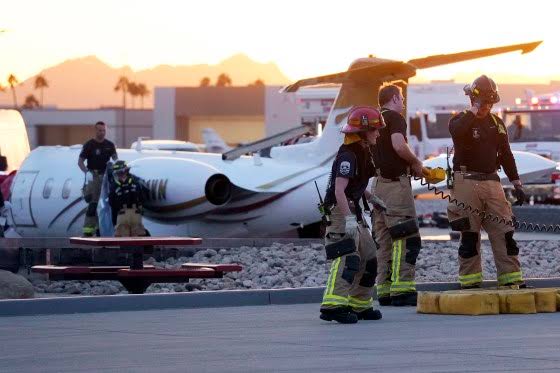
While commercial airlines operate under rigid regulatory frameworks that make them incredibly safe, the general aviation sector—which includes corporate jets, chartered flights, and private aircraft—presents a vastly different risk profile. According to the National Transportation Safety Board (NTSB), general aviation accounts for the vast majority of fatal flight accidents in the United States.
When a private luxury aircraft or chartered flight goes down, the physical devastation is almost always catastrophic. For grieving families, navigating the immediate aftermath means confronting complex technical investigations and layers of corporate liability. Because corporate jets are owned, operated, leased, and maintained by a web of distinct entities, identifying fault requires highly specialized litigation strategies.
If you have lost a family member in an aviation tragedy, securing your rights demands immediate intervention. Consultations with an experienced aviation accident lawyer or a specialized wrongful death attorney are critical first steps toward ensuring an independent investigation is launched and your family’s future is protected.
The Reality of General Aviation Risks in the United States
Private jet travel is frequently viewed as the pinnacle of luxury and efficiency. However, safety data reveals a stark contrast between private corporate aviation and major commercial passenger airlines. Commercial airliners are bound by Part 121 of the Federal Aviation Regulations (FARs), which mandates exhaustive pilot training, mandatory rest periods, and redundant mechanical inspections.
In contrast, many private flights operate under FAR Part 91 (non-commercial general aviation) or Part 135 (on-demand charter flights). These regulations allow for flexible operating parameters but feature less restrictive oversight, creating greater vulnerability to critical operational failures.
The primary victims in private aviation disasters generally fall into three categories:
-
Corporate Executives and Passengers: High-net-worth individuals, business teams, and leisure travelers who charter flights under the assumption that private operators match commercial safety standards.
-
Flight Crews and Pilots: Captains, first officers, and cabin attendants facing sudden in-flight emergencies over which they have no mechanical control.
-
Property Owners on the Ground: Residents whose homes or businesses are caught in the debris path during low-altitude airport approaches or sudden midair structural failures.
Primary Causes of Private Jet Crashes
Determining the exact cause of an aviation disaster is a meticulous process that often requires months of forensic teardowns by federal teams. A dedicated catastrophic injury attorney working alongside independent aerospace experts will typically look for systemic negligence across several main areas:
1. Pilot Error and Spatial Disorientation
Operating high-performance private aircraft requires rapid decision-making, particularly during instrument-only flight conditions (IMC). Private pilots may lack the extensive, recurring simulator training mandated for major commercial captains. Spatial disorientation—where a pilot cannot accurately perceive the aircraft’s attitude or altitude relative to the ground—remains a major catalyst for controlled flight into terrain (CFIT).
2. Inadequate Aircraft Maintenance and Fraudulent Logs
Private jet fleets undergo intense flight cycles. Components like turbofan engines, hydraulic lines, and avionics suites demand perfect up-keep. When private owners or charter operators cut corners on costly inspections, or use uncertified maintenance facilities to minimize aircraft downtime, critical structural components can fail mid-flight.
3. Defective Aerospace Design or Manufacturing
Even the most skilled pilot cannot overcome a fundamental engineering flaw. If an aircraft rolls off the assembly line with a latent design defect—such as an unreliable flight control computer or a flawed fuel line layout—the manufacturing company faces strict product liability.
4. Severe Weather and Poor Flight Planning
Unlike massive commercial airliners that can easily cruise well above standard storm systems, smaller private jets and turboprops often operate at lower altitudes where they are highly susceptible to severe wind shear, microbursts, and structural icing conditions.
Defining Fault: Who Shares Liability in an Aviation Disaster?
Pinpointing financial responsibility in a corporate jet or private charter plane crash is incredibly complex. Multiple parties frequently share blame for a single catastrophic failure:
                       ┌──────────────────────────────┐
                       │   TOTAL AVIATION LIABILITY   │
                       └──────────────┬───────────────┘
                                      │
         ┌────────────────────────────┼────────────────────────────┐
         │                            │                            │
┌────────┴────────┐          ┌────────┴────────┐          ┌────────┴────────┐
│ Charter Company/ │          │   Maintenance   │          │   Aircraft/Part │
│ Aircraft Owner  │          │   Contractors   │          │  Manufacturers  │
├─────────────────┤          ├─────────────────┤          ├─────────────────┤
│ • Negligent hiring         │ • Substandard repairs    │ • Defective design│
│ • HOS violations           │ • Skipped inspections    │ • Component failure│
│ • Lax safety culture       │ • Faulty overhauls       │ • Software glitches│
└─────────────────┘          └─────────────────┘          └─────────────────┘
-
The Charter Operator or Private Owner: Under federal agency mandates, operators must maintain an active safety management culture. If a charter company pressures a pilot to fly into adverse weather to satisfy a client, or overlooks a pilot’s history of safety violations, the firm can be held directly liable for negligent hiring and retention.
-
Independent Maintenance Organizations (MROs): Many private jet owners outsource heavy maintenance to specialized third-party facilities. If a technician fails to notice a hairline fracture in a turbine blade during a scheduled overhaul, that independent contractor faces direct liability for the resulting mechanical failure.
-
Parts Manufacturers and Aerospace Engineers: When a defective component fails under normal operating conditions, a product liability claim can be initiated against the component manufacturer or the aircraft builder.
-
The Federal Government (FAA): In rare instances involving air traffic control (ATC) failures, such as routing two aircraft into a midair collision path, the Federal Aviation Administration can be sued under the Federal Tort Claims Act (FTCA).
Legal Jurisdictions and the Role of Federal Investigations
Following any major civil aviation accident in the United States, the NTSB takes immediate control of the physical site to secure evidence. They recover the cockpit voice recorder (CVR) and flight data recorder (FDR), reconstruct the fuselage, and analyze radar records.
Crucial Legal Distinction: While the NTSB’s technical findings are invaluable, federal law explicitly prohibits NTSB probable-cause reports from being introduced as direct evidence in a civil personal injury or wrongful death lawsuit.
Because of this restriction, a premier personal injury law firm must conduct a parallel, independent investigation using its own network of certified accident reconstruction specialists, metallurgy experts, and retired FAA inspectors.
Furthermore, international private flights are bound by a complex treaty framework known as the Montreal Convention. If a private jet crash occurs during an international trip, this treaty dictates where a lawsuit may be filed and establishes strict liability standards up to specified financial thresholds, bypassing standard state tort laws.
Action Plan for Families Facing an Aviation Tragedy
The legal window to preserve vital evidence and protect your rights closes rapidly after an aviation disaster.
Financial Recovery: What Damages Can Families Claim?
Private aviation insurance policies differ substantially from standard automotive or commercial trucking insurance. Corporate jet owners carry comprehensive fleet liability policies that frequently reach tens or hundreds of millions of dollars. A successful civil claim seeks to recover compensation across two distinct financial categories:
| Economic Recoveries (Calculable) | Non-Economic Recoveries (Impact-Based) |
| Loss of Future Earnings: The total projected income, bonuses, stock options, and benefits the decedent would have provided over a normal working life. | Mental Anguish and Grief: The profound emotional trauma, anxiety, and PTSD experienced by surviving family members. |
| Pre-Impact Terror: Financial compensation for the conscious pain and suffering experienced by the passenger between the moment of in-flight failure and final impact. | Loss of Consortium: The permanent deprivation of familial companionship, parental guidance, care, and emotional protection. |
| Funeral and Estate Costs: All immediate out-of-pocket operational costs associated with medical response, transportation, and memorial arrangements. | Punitive Damages: Awarded by a judge or jury in rare cases where an operator demonstrated conscious disregard for human life. |
Partnering with Specialized Court Advocates
Aviation litigation demands immense financial resources and niche technical experience. General personal injury firms are rarely equipped to challenge multinational aerospace manufacturers, global insurance syndicates, or elite corporate legal teams.
Most top-tier wrongful death attorneys specializing in aviation handle these complex matters on a contingency fee basis. Under this fee arrangement, families pay nothing out of pocket. The law firm completely finances the litigation—covering the high costs of expert witnesses, forensic testing, and court fees—and only recovers those expenses if they secure a successful settlement or courtroom verdict.
Holding powerful private operators accountable protects your family’s financial future while forcing changes that make the skies safer for everyone else.