Managing an enterprise fleet involves navigating operational risks, with traffic accidents presenting a constant challenge to a company’s bottom line. When an employee is involved in an accident while operating a corporate vehicle, the immediate focus typically centers on driver safety, vehicle repairs, and liability management. However, for risk managers, corporate executives, and insurance professionals, the true financial resolution begins after the initial damage is addressed through the process of insurance subrogation.
Subrogation allows a corporate insurance provider (or a self-insured organization) to step into the legal shoes of the company to seek financial recovery from the third party responsible for the accident. Executing a strategic subrogation recovery program can directly lower a fleet’s total cost of risk (TCOR), recoup paid insurance deductibles, and lower future commercial insurance premiums.
What is a Company Vehicle Subrogation Claim?
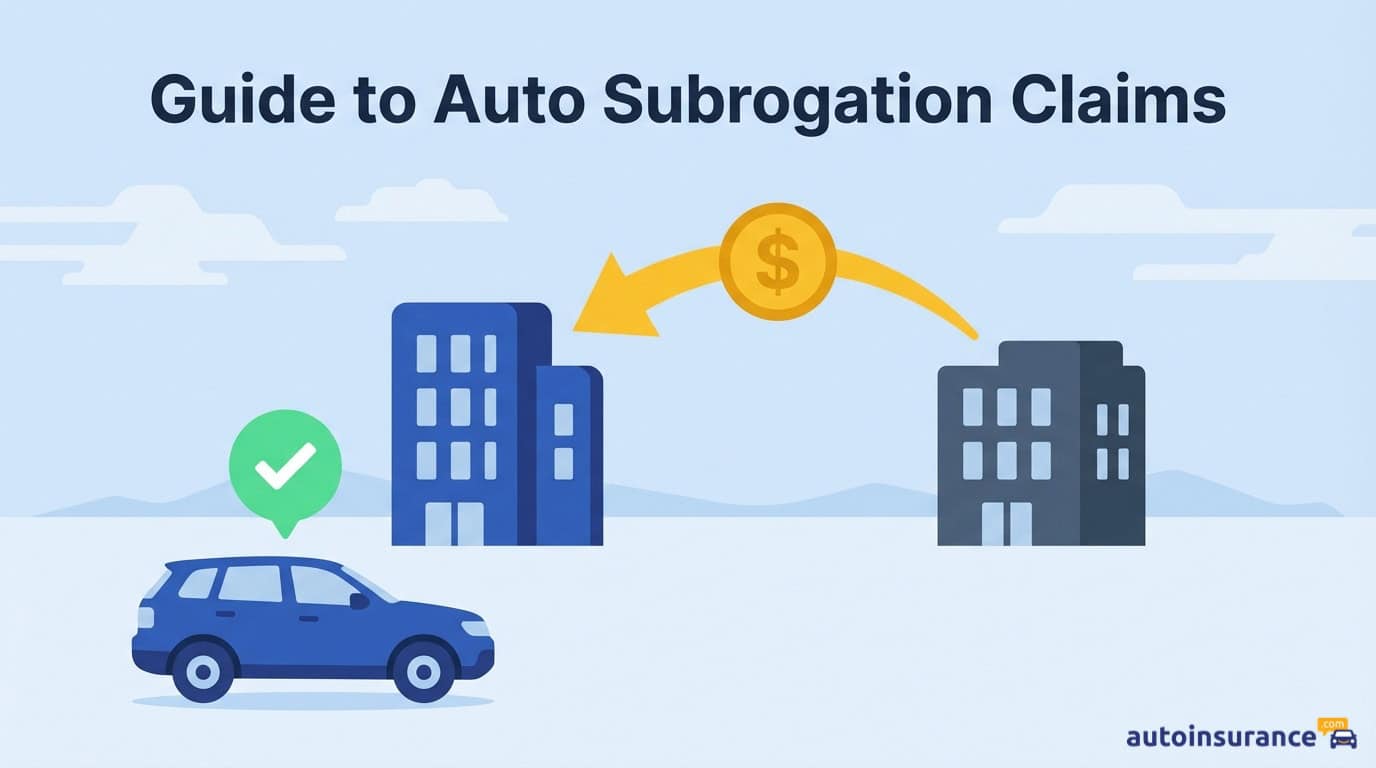
In commercial auto insurance, subrogation—often referred to as “subro”—is a legal right granted within an insurance policy. It dictates that after an insurer pays out a covered claim for property damage or bodily injury, they inherit the policyholder’s right to pursue the at-fault driver or their insurance carrier for reimbursement.
+-------------------------------------------------------------------------+
|                    The Subrogation Recovery Cycle                       |
+-------------------------------------------------------------------------+
|  1. Third-Party Hits Fleet Vehicle                                      |
|  2. Corporate Insurer Pays for Repair/Medical Claims                    |
|  3. Insurer Initiates Subrogation Demand against At-Fault Party         |
|  4. Reimbursement Secured (Corporate Deductible Returned to Business)   |
+-------------------------------------------------------------------------+
For instance, if an employee’s fleet vehicle is struck by an at-fault driver:
-
The company files a claim under its own commercial auto insurance collision coverage to ensure timely vehicle repairs.
-
The company pays its stated commercial deductible (e.g., $1,000 or $5,000).
-
The insurance company pays the remainder of the repair invoice.
-
Through contractual subrogation, the insurer pursues the negligent third party’s insurance provider to recoup the entire paid amount, including the company’s deductible.
The Strategic Importance of Fleet Subrogation Recovery
For businesses operating small delivery vans or large over-the-road freight haulers, unrecovered claims represent lost revenue. Implementing a proactive subrogation workflow offers several operational advantages:
Recouping the Commercial Deductible
Commercial auto policies frequently utilize high deductibles to maintain manageable monthly premiums. When a subrogation claim is successfully resolved, the recovery funds are first applied to reimburse the corporate policyholder for that deductible.
Lowering the Experience Modification Rate (E-Mod)
Unrecovered losses remain listed as “open claims” or total losses on a business’s loss run history. This directly raises its loss ratio and inflates future premiums. Successfully subrogating a claim shifts the financial burden to the responsible party, improving the company’s risk profile during policy renewals.
Offsetting Indirect Fleet Losses
Beyond physical property damage, fleet accidents create substantial indirect costs. A specialized commercial vehicle subrogation lawyer can help recover expenses that standard property adjusters might overlook, including fleet down-time, towing charges, storage fees, and cargo loss.
Critical Complexities in Commercial Auto Subrogation
While personal auto subrogation is often straightforward, company vehicle subrogation claims regularly involve overlapping legal frameworks, corporate entities, and statutory regulations.
1. Concurrent Workers’ Compensation Subrogation
When a corporate driver is injured in an accident caused by a third party, the incident triggers both a commercial auto asset claim and a workers’ compensation claim. In these scenarios, the employer or its workers’ comp carrier holds a statutory right to a lien against any civil recovery secured from the third-party tortfeasor.
Managing this dual recovery pathway requires coordinating between auto adjusters and workers’ compensation subrogation professionals to avoid duplicating efforts or inadvertently waiving lien rights.
2. Diminution of Value Claims
Even when a commercial vehicle is fully repaired, its market resale value is often permanently reduced due to its accident history. Pursuing a diminished value claim through subrogation requires specialized forensic accounting and fleet valuation appraisals to prove the exact economic loss to the corporate asset.
3. Understanding the “Waiver of Subrogation”
Many commercial business contracts—such as construction agreements, logistics vendor contracts, and service leases—contain a mandatory waiver of subrogation clause. If a company signs a contract waiving these rights, its insurance provider is legally barred from pursuing the at-fault party for reimbursement.
Signing an unauthorized waiver of subrogation can violate policy conditions and potentially void insurance coverage. Risk managers must review vendor contracts carefully to ensure subrogation rights are protected.
Steps to Protect Subrogation Potential After a Fleet Accident
The ultimate success of a corporate subrogation claim depends heavily on the actions taken at the scene of the accident and during the initial 48 hours following the event.
Intercompany Arbitration: The Mechanism for Resolving Disputes
When two insurance companies disagree over liability or the exact apportionment of fault in a company vehicle accident, they rarely head directly to a court of law. Instead, the vast majority of U.S. property and casualty insurers utilize specialized intercompany forums, such as Arbitration Forums, Inc., to resolve subrogation disputes efficiently.
The Benefits of Insurance Arbitration
-
Cost-Effectiveness: Avoids expensive court filing fees, formal depositions, and protracted litigation costs.
-
Expedited Timelines: Most insurance arbitrations are decided by a neutral panel of insurance experts within several months, rather than the years typical of civil litigation.
-
Binding Decisions: The decision rendered by the arbitration panel is final and binding, requiring immediate financial payout from the losing carrier.
| Dispute Phase | Focus Area | Essential Subrogation Evidence |
| Liability Dispute | Proving which vehicle operator caused the collision. | Police reports, dashcam recordings, witness affidavits, and traffic citations. |
| Damages Dispute | Verifying that the repair bills match the damage from the impact. | Itemized repair estimates, supplemental invoices, and clear photo documentation. |
| Loss of Use Dispute | Quantifying the financial loss incurred while the vehicle was out of service. | Historical fleet utilization logs, rental vehicle receipts, and regional vehicle availability metrics. |
Maximizing Fleet Recovery Outcomes
For organizations operating under a high self-insured retention (SIR) or a dedicated self-insurance model, managing subrogation internally can strain administrative resources. Partnering with a specialized third-party administrator (TPA) or a dedicated subrogation recovery law firm ensures that potential recovery opportunities are identified and pursued before statutes of limitations expire.
By treating subrogation recovery as an active revenue-generation mechanism rather than an administrative afterthought, businesses can effectively protect their bottom line, lower their overall operating costs, and keep their corporate fleets moving safely forward.