## Understanding Pedestrian & Bicycle Highway Collisions in the USA: Legal Rights, Safety Statistics, and How an Accident Attorney Can Maximize Your Financial Recovery
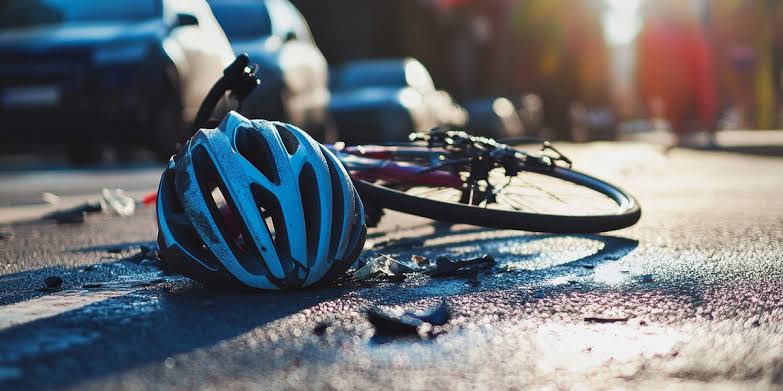
The American transportation landscape is changing rapidly. As more commuters embrace micro-mobility, urban cycling, and walking to bypass heavy traffic and reduce environmental impact, a dangerous reality has emerged on our roadways. Every year, thousands of vulnerable road users are severely injured or killed in collisions with passenger cars, commercial vehicles, and large trucks.
When a passenger vehicle collides with a person on foot or a cyclist, the physical forces are devastatingly unequal. If you or a loved one has been involved in an accident, navigating the medical bills, insurance claims, and legal red tape can feel insurmountable.
Understanding the root causes of these incidents, your legal rights, and how an experienced **personal injury lawyer near me** can protect your financial future is critical to securing justice.
—
## The Alarming Surge in Vulnerable Road User Fatalities
Recent federal crash data reveals a harrowing multi-year trend across the United States. According to reports from the National Highway Traffic Safety Administration (NHTSA) and the Governors Highway Safety Association (GHSA), pedestrian and bicyclist fatalities account for over 21% of all traffic deaths in the country.
* **Pedestrian Fatalities:** Drivers strike and kill more than 7,000 pedestrians annually across the United States. While recent preliminary data indicates slight single-digit percentage dips year-over-year, overall pedestrian fatalities remain nearly 20% higher than they were a decade ago.
* **Bicyclist Fatalities:** Bicycle accident fatalities consistently exceed 1,000 deaths per year, alongside more than 40,000 severe injuries requiring emergency medical intervention.
* **The Non-Intersection Danger Zone:** A surprising 74.8% of fatal pedestrian accidents and 62.7% of fatal bicycle crashes occur at non-intersections—frequently on high-speed arterial corridors, state highways, and suburban roadways that lack proper pedestrian infrastructure.
| Risk Factor | Statistical Impact on Pedestrian & Bicycle Accidents |
| — | — |
| **Dark Conditions** | 76.3% of pedestrian deaths and 49.7% of bicyclist deaths occur after dark. |
| **Vehicle Type** | Light trucks (SUVs and pickups) account for over 50% of vulnerable road user fatalities. |
| **Hit-and-Run** | Roughly 25% of all fatal pedestrian crashes involve a fleeing driver. |
| **Missing Infrastructure** | 65% of pedestrian fatalities occur in locations completely lacking a sidewalk. |
—
## Primary Causes of Highway Pedestrian and Bicycle Collisions
Attributing fault in a highway collision requires a deep dive into the moments leading up to the impact. While insurance companies frequently attempt to shift blame onto the walker or cyclist, accident investigations reveal that driver negligence is the primary catalyst.
### 1. The Proliferation of Large SUVs and Pickups
The physical design of modern American vehicles plays a massive role in injury severity. Passenger sedans usually strike a pedestrian or cyclist at the lower extremities, causing them to roll onto the hood. However, large SUVs and pickup trucks feature high, blunt front grilles. When these large vehicles strike a human body, they impact vital organs directly and crush the victim beneath the frame.
### 2. Distracted Driving and “Distracted Walking”
Smartphones, in-vehicle infotainment systems, and GPS navigation frequently divert a motorist’s attention from the road. At highway speeds, a driver looking down at a text message for just five seconds will travel the length of an entire football field blind. Similarly, pedestrian distraction from mobile devices can result in unexpected lane cross-overs or missed warning signs.
### 3. Intoxication and Drunk Driving
Driving under the influence remains a persistent deadly force. Alcohol impairs depth perception, slows reaction times, and diminishes a driver’s peripheral vision. This makes it incredibly difficult to spot a cyclist riding on the shoulder or a pedestrian crossing a poorly lit highway corridor.
### 4. Poor Visual Infrastructure and Nighttime Visibility
As noted by the Pedestrian & Bicycle Information Center, the hours between 6:00 PM and 11:00 PM are the most dangerous window of the day. High-speed arterial roadways passing through suburban areas are rarely outfitted with continuous overhead lighting, marked crosswalks, or dedicated bicycle lanes.
—
## Common Injuries Resulting from Pedestrian and Bike Wrecks
Because a human being has zero structural protection against thousands of pounds of moving steel, the resulting injuries are almost always catastrophic or life-altering. Victims regularly face complex, long-term medical care pipelines.
* **Traumatic Brain Injuries (TBIs):** Concussions, skull fractures, and severe contusions can result in permanent cognitive deficits, memory loss, and personality changes—even if a cyclist was wearing a helmet.
* **Spinal Cord Injuries and Paralysis:** Impact to the spine can fracture vertebrae, resulting in paraplegia or quadriplegia. These conditions require lifelong attendant care, home modifications, and specialized medical equipment.
* **Severe Orthopedic Fractures:** Compound fractures to the pelvis, femur, tibia, and fibula frequently require multiple open reduction internal fixation (ORIF) surgeries and extensive physical therapy.
* **Internal Organ Damage:** Blunt force trauma can cause internal bleeding, collapsed lungs, and ruptured spleens or kidneys, requiring emergency trauma surgery.
—
## Critical Legal Frameworks: Fault, Liability, and Comparative Negligence
Recovering compensation after a collision hinges entirely on establishing liability. To win a personal injury lawsuit or secure a maximum insurance payout, your **accident attorney** must prove that the driver owed you a duty of care, breached that duty through negligence, and directly caused your injuries.
“`
[Driver Negligence] —> [Breach of Duty of Care] —> [Catastrophic Collision] —> [Measurable Damages/Injuries]
“`
However, the legal defense strategy deployed by auto insurance companies almost always involves accusing the pedestrian or cyclist of comparative fault. They may claim you were walking against a light, wearing dark clothing, or riding your bicycle on the wrong side of the road.
Depending on the state where the crash occurred, your financial recovery can be heavily impacted by specific state laws:
> **Comparative Negligence (Modified vs. Pure):** In a “Pure Comparative Negligence” state (like California or Florida), you can recover damages even if you were 90% at fault for the accident, though your final financial compensation is reduced by your percentage of blame. In a “Modified Comparative Negligence” state (like Texas or Illinois), you are completely barred from recovering any compensation if your percentage of fault exceeds 50% or 51%.
### The Trap of Contributory Negligence
If your collision occurs in a jurisdiction that still practices **Pure Contributory Negligence** (such as Virginia, Maryland, North Carolina, Alabama, or Washington D.C.), the legal landscape is incredibly harsh. Under these laws, if an insurance company can prove you were even **1% at fault** for the collision, you can be entirely blocked from collecting a single penny of compensation. This archaic defense makes hiring an aggressive, highly rated auto accident attorney absolutely essential.
—
## Steps to Take Immediately After a Pedestrian or Bicycle Accident
The actions you take in the hours and days following a highway collision will directly dictate your ability to recover a fair settlement. If you are physically capable, follow these steps to preserve your legal rights:
1. **Call 911 and Request Emergency Services:** Immediate.
Ensure that local police and emergency medical technicians (EMTs) are dispatched to the scene. The responding officer will create an official **police accident report**, which serves as an foundational piece of evidence for your personal injury claim.
2. **Document the Scene and Gather Evidence:** Within 15 Minutes.
If you are able, use your phone to take high-resolution photos and videos of the vehicle’s damage, the position of your bicycle, skid marks on the asphalt, weather conditions, missing road signs, and your physical injuries.
3. **Identify Eyewitnesses and Collect Contact Data:** Within 20 Minutes.
Speak with anyone who pulled over or witnessed the impact. Collect their full names, phone numbers, and email addresses. Neutral third-party witness testimony is incredibly powerful when disputing liability against an auto insurance company.
4. **Undergo a Comprehensive Medical Evaluation:** Within 24 Hours.
Even if you believe your injuries are minor, go straight to an emergency room or urgent care clinic. Adrenaline can mask severe internal bleeding or traumatic brain injuries. A gap in medical treatment will be weaponized by insurance adjusters to claim your injuries weren’t caused by the crash.
5. **Retain an Experienced Personal Injury Attorney:** Prior to Speaking with Insurance.
Never give a recorded statement to the at-fault driver’s insurance adjuster or sign an early settlement offer. Contact a specialized law firm for a **free case review** to understand the true financial value of your claim.
—
## How a Top-Rated Accident Lawyer Maximizes Your Settlement Value
Many injury victims assume that the insurance company will naturally pay out enough money to cover their hospital bills. Unfortunately, insurance companies operate as businesses designed to minimize payouts and maximize corporate profit.
An experienced **car accident attorney with high settlement results** can protect you from lowball offers by deploying an array of investigative tactics:
* **Subpoenaing Electronic Evidence:** Your legal team can secure the driver’s cell phone records to prove they were texting, extract data from the vehicle’s Event Data Recorder (“black box”) to verify speed at impact, and pull nearby commercial security camera footage.
* **Retaining Accident Reconstruction Experts:** Highly technical highway accidents often require engineering experts who can map out skid marks, vehicle weights, and impact angles to definitively illustrate how the driver caused the collision.
* **Calculating Comprehensive Damages:** A skilled lawyer won’t just calculate your current emergency room bills. They work alongside economic analysts to compute your lifetime medical treatment expenses, lost earning capacity, future surgeries, and non-economic damages like physical pain, suffering, and emotional trauma.
—
## Pursuing Compensation: Available Damages and Insurance Lifelines
If you have sustained severe, life-altering injuries, your attorney will pursue an array of economic and non-economic damages to ensure you do not face financial ruin.
### Economic Damages (Objective Financial Losses)
* **Past and Future Medical Expenses:** Covers emergency transport, ICU stays, surgeries, prescription medications, assistive medical devices, and lifelong physical rehabilitation.
* **Lost Wages and Loss of Earning Capacity:** Reimburses the income you lost while recovering in the hospital, along with the future money you would have earned if the accident hadn’t left you disabled or unable to work your regular job.
### Non-Economic Damages (Subjective Personal Losses)
* **Pain and Suffering:** Compensation for the physical agony, discomfort, and chronic pain stemming from your injuries.
* **Loss of Enjoyment of Life:** Awarded when severe injuries prevent you from engaging in hobbies, sports, or recreational activities you loved before the crash.
### What Happens in a Hit-and-Run or Uninsured Driver Scenario?
If you are the victim of a hit-and-run, or if the motorist who struck you is completely uninsured, you are not entirely out of luck. If you own a vehicle and carry **Uninsured/Underinsured Motorist (UM/UIM)** coverage on your own auto policy, this protection typically extends to you when you are walking or riding a bicycle. An experienced lawyer can help you file a first-party claim against your own provider to unlock these vital recovery funds.
—
## Final Thoughts: Protecting Your Legal Rights
A pedestrian or bicycle highway collision can shatter your physical and financial health in a fraction of a second. As medical expenses pile up and insurance adjusters pressure you to accept minimal payouts, remember that you do not have to fight this legal battle alone.
Most personal injury law firms operate on a **contingency fee basis**, meaning there are absolutely no upfront costs or hourly fees out of pocket. Your legal team is only compensated if they successfully secure a favorable settlement or jury verdict on your behalf. Protecting your health, your family, and your financial future starts with a single step: consulting an aggressive, experienced professional who will fight tirelessly for the justice you deserve.